

How to Check a Licensed Moneylender in Malaysia
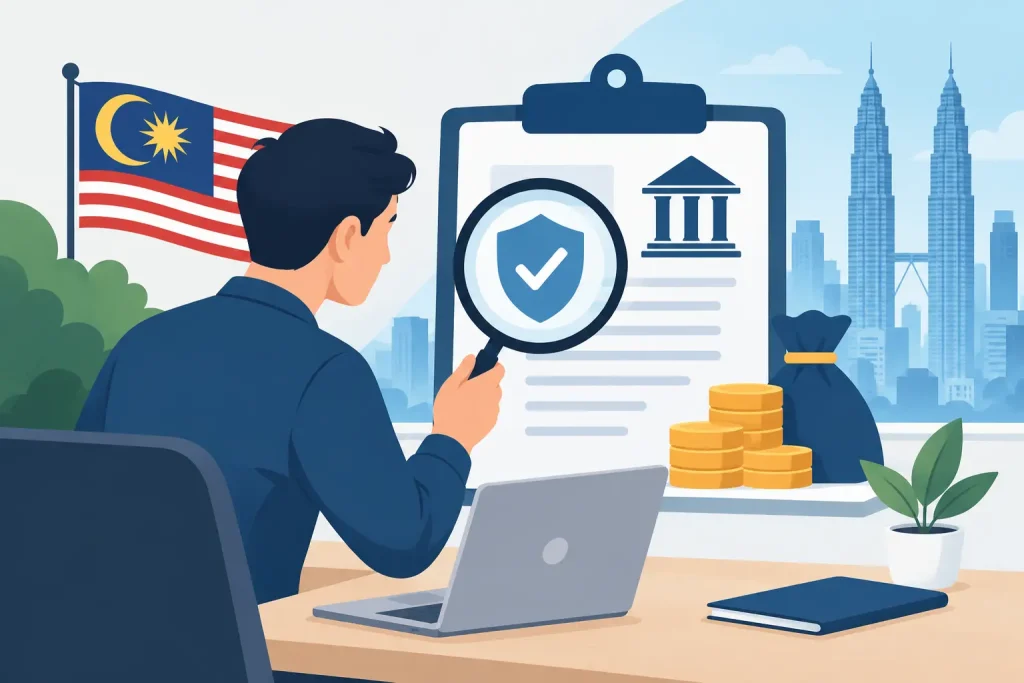
A message offering fast cash can feel like relief when rent, medical bills, repairs, or a family commitment cannot wait. But before sending documents or accepting an offer, learn how to check licensed moneylender Malaysia status properly. A few careful checks can separate a regulated financing provider from a scammer using convincing language, copied logos, and false promises.
A legitimate lender should be comfortable with your questions. They should explain their license details, financing rate, repayment period, and total payment clearly before you sign. If the conversation becomes rushed, threatening, or secretive, stop and verify first.
How to Check a Licensed Moneylender in Malaysia
Licensed moneylenders in Malaysia operate under the Moneylenders Act 1951 and are regulated by the Ministry of Housing and Local Government, commonly known as KPKT. The first step is to use the official KPKT channels to check whether the company is listed as an approved moneylender.
Search using the lender’s full registered business name, not only a brand name, Facebook page name, or WhatsApp profile name. Ask the representative to provide the company name, license number, registered address, and contact details. Then compare those details with the official record. A real license number is useful only when it matches the same business you are dealing with.
Be especially careful when a person says they represent a licensed company but asks you to transfer money to a personal bank account. The company name, payment instructions, and loan documents should all be consistent. A mismatch is a warning sign worth taking seriously.
Check the license, not just a screenshot
Scammers can copy a license image, registration number, or office photo from a genuine business. A screenshot sent through WhatsApp is not proof by itself. Verify the details independently through KPKT’s official licensed moneylender information service.
When reviewing the record, confirm the legal company name, license status, and business address. If the lender gives a name that cannot be found, or the details belong to another company, do not continue with the application. The safest approach is simple: verify first, borrow second.
Ask for the terms in writing before agreeing
A licensed lender should provide loan terms that you can read and understand. Do not rely on a verbal promise such as “low monthly payment” or “guaranteed approval.” The monthly installment may look affordable while the tenure, interest, charges, or total repayment is unclear.
Before signing, ask for the approved financing amount, interest rate, repayment tenure, monthly installment, total amount payable, and any permitted charges. Read the agreement carefully and keep a copy for your records. You should also understand what happens if a payment is late and whether early settlement is allowed.
For unsecured loans, the Moneylenders Act sets limits on interest. A regulated lender should not avoid questions about rates or hide them inside vague descriptions such as “processing package” or “agent fee.” Clear paperwork protects both the borrower and the lender.
At LK Solution Enterprice Sdn Bhd, the financing process is built around document verification and explained terms, so eligible customers can make a decision with a clearer view of their repayment commitment.
Know the red flags of illegal lenders and loan scams
Illegal lenders often target people who need money urgently. They may advertise through social media, text messages, or WhatsApp and use phrases like “blacklist accepted,” “instant cash,” or “no documents needed.” Some scams look professional at first, which is why their behavior matters as much as their advertisement.
Watch for these warning signs:
- They demand an upfront payment before releasing the loan, calling it insurance, tax, stamp duty, activation, or a security deposit.
- They ask for your ATM card, PIN, online banking password, TAC, or bank login details.
- They promise approval without checking income, identity, or repayment ability.
- They pressure you to act immediately, threaten you, or refuse to provide a written agreement.
- They use a personal bank account, frequently change phone numbers, or cannot show matching business details.
A legitimate lender may need documents to assess your application, such as identification, proof of employment, payslips, and bank statements. That is different from asking for control of your bank account. You should never surrender your ATM card or share your PIN, TAC, or online banking password with anyone.
Why upfront fees are a serious warning sign
One of the most common loan scams begins after a borrower is told their loan has been approved. The scammer then asks for a small payment to “release” the funds. Once that amount is sent, another fee appears. The loan never arrives.
Do not pay money in advance to obtain a personal loan. If you are told that a fee must be transferred before disbursement, pause the process and verify the lender through official channels. A proper financing arrangement should clearly state any applicable charges in the agreement, not introduce surprise payments through chat messages.
This matters even more when you are under financial pressure. Urgency can make a quick offer sound reasonable, but a real lender will give you time to review the terms. Fast service should not mean rushed consent.
Confirm who you are speaking with
A company can be licensed while a scammer pretends to be its representative. After confirming the business name and license, verify the contact person too. Call the company through its official contact channel and ask whether the representative’s name and phone number are authorized.
Do not assume a WhatsApp profile photo, business account label, or polished website proves authenticity. Those details can be copied. Use the contact information you independently locate, rather than the number supplied in an unexpected message.
If you visit an office, make sure the business name shown at the location matches the name on the agreement and license details. For online applications, request clear documentation and take time to read it before sharing sensitive information.
Protect your personal information during an application
Applying with a regulated lender usually requires personal and employment documents. That is normal because the lender needs to confirm identity, income, and affordability. Still, you should send documents only after you have verified the company and understand why each document is requested.
Use the lender’s official application process. Ask how your information will be handled, and do not send unnecessary details to unknown individuals. Never provide a password, PIN, TAC, or remote access to your phone. If someone claims these are needed to approve your financing, end the conversation.
A careful application process may feel less instant than a scammer’s promise, but it is designed to protect you. Responsible lending involves checking whether the repayment is manageable, not simply releasing money without questions.
What to do if you are unsure
If anything feels unclear, do not sign or transfer money. Save the messages, screenshots, phone numbers, bank-account details, and documents you received. You can use these records when seeking help from the relevant authorities or reporting suspected fraud.
It is also reasonable to compare more than one regulated option. Look beyond the approved amount. Consider the monthly installment, length of repayment, disclosed rate, and whether the lender answers your questions directly. The right option depends on your income, existing commitments, and how much you can realistically repay each month.
Financial peace of mind starts with a lender that can be verified, terms you can understand, and a repayment plan that fits your budget. When borrowing is necessary, take the extra few minutes to check the details – your safety is worth more than a fast promise.
