

How to Avoid Loan Scams Before Applying Online
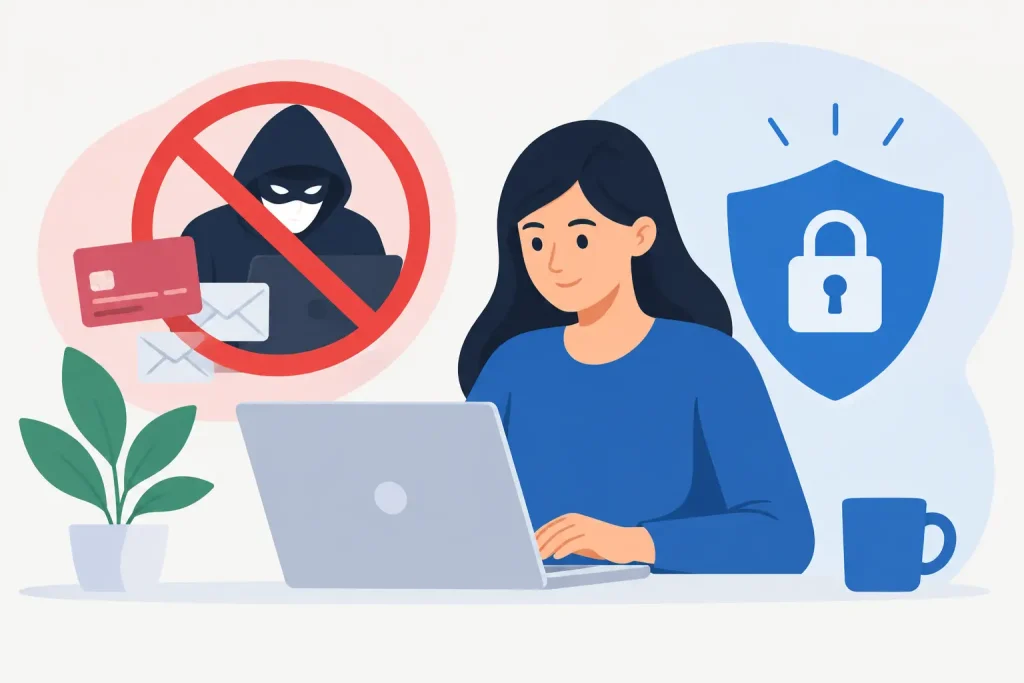
A loan scam often starts with the message you most want to receive: “Approved today,” “No documents needed,” or “Bad credit is no problem.” When money is needed for a medical bill, rent, education, or debt payments, it is easy to focus on the promised cash and miss the warning signs. To avoid loan scams, slow down long enough to verify who is offering the loan, what they are asking for, and where your money or personal information could go.
A legitimate lender should make borrowing clear. You should know the lender’s identity, licensing status, financing rate, repayment period, monthly installment, and any applicable charges before you agree. If someone pressures you to act immediately or asks you to pay first, treat that as a serious concern.
How to Avoid Loan Scams When You Need Money Fast
Speed is useful when you have an urgent expense. But fast approval should never mean skipping verification. A regulated lender may process an eligible application quickly, but it still needs to confirm your identity, income, employment, and bank details. Document checks protect both the borrower and the lender.
Be cautious when an offer sounds too easy. A message promising guaranteed approval with no verification, no questions, and instant cash may be designed to collect your details or convince you to send a payment. Real financing is not automatically approved just because you clicked a link or replied on WhatsApp.
Take a few minutes to check the company name independently. Do not rely only on the name, logo, or license image sent in a chat. Scammers can copy branding from real companies and create convincing social media profiles, websites, and WhatsApp accounts. Search for the official business details yourself and contact the lender through its verified channels.
For borrowers in Malaysia, confirm that the lender is properly licensed under the relevant rules, including the Moneylenders Act 1951 and oversight by KPKT where applicable. A legitimate lender should be able to explain its licensing clearly rather than avoiding the question or sending unclear screenshots.
The Biggest Warning Sign: Upfront Payment Requests
No legitimate loan should require you to pay an upfront “processing fee,” “insurance fee,” “release fee,” “stamp fee,” “security deposit,” or “tax” before the funds are disbursed. Scammers often make these charges sound official and may demand payment through a personal bank account, e-wallet, prepaid card, or cryptocurrency.
Their tactic is simple: after you make one payment, they claim another problem has appeared. Your approval is supposedly blocked, your credit score needs to be repaired, or the transfer needs an additional clearance charge. The promised loan never arrives, while the requests for money continue.
A lender may have disclosed financing charges or other permitted costs as part of a written agreement. That is different from asking you to transfer money in advance to receive a loan. Read the agreement carefully and ask for a clear explanation of every amount. If the answer is vague, contradictory, or rushed, do not proceed.
Never Hand Over Your ATM Card or Banking Access
A lender does not need your ATM card, PIN, online banking password, TAC code, or banking app login to approve or disburse a loan. Anyone requesting these items could gain direct access to your account and take your money.
You may need to provide bank statements or bank-account details so funds can be deposited into your own account. That is normal when handled through a verified application process. But your account credentials, one-time codes, and card should remain private at all times.
Be especially careful if someone says surrendering your ATM card is required as “security” for the loan. This is not a borrower protection. It puts your salary, savings, and personal financial information at risk. A responsible lender assesses repayment ability through documents and verified information, not by taking control of your bank access.
Check the Offer, Not Just the Advertisement
A professional-looking advertisement is not proof that a loan is genuine. Scammers can use polished graphics, fake testimonials, and copied registration numbers. Look beyond the promotion and examine whether the loan terms make sense.
Before applying, ask for the total financing amount, interest or financing rate, repayment tenure, estimated monthly payment, and total amount payable. You should also understand what happens if a payment is late. A legitimate representative should answer these questions directly and give you time to consider the terms.
Watch for offers that avoid specific numbers. Phrases such as “very low interest,” “zero risk,” or “special approval” mean little without a written explanation. Transparent lending includes clear figures, not just attractive promises.
It also helps to compare the stated monthly payment with your actual budget. A lower monthly installment may look easier, but a longer repayment period can increase the total amount you pay. The right financing option depends on your income, existing commitments, and how quickly you can repay comfortably.
Protect Your Personal Information During Applications
Loan applications require sensitive information, so only share documents after you have verified the lender. Identity cards, payslips, bank statements, and employment details can be misused if sent to a scammer.
Use official application channels and check that you are communicating with an authorized representative. Be cautious with unfamiliar links, especially those sent through unsolicited messages. A fake form can collect your identity details even if no loan is ever offered.
Do not send more information than needed. A lender may need identification, proof of income, and bank details for disbursement. It should not need your PIN, passwords, TAC codes, or photos of your bank card. If you are unsure why a document is requested, ask before sending it.
Keep copies of messages, application forms, payment instructions, and the financing agreement. These records can help you spot inconsistencies and are useful if you need to report suspicious activity.
Notice the Pressure Tactics Scammers Use
Scammers want you to decide before you can verify the facts. They may say the offer expires in ten minutes, claim another customer is waiting for your approval slot, or threaten that you will lose the loan unless you pay immediately.
Urgency is not a substitute for a proper process. Even when a lender offers approval within 24 hours for eligible applicants, you should still receive clear information and a chance to review the agreement. A genuine lender wants you to understand your repayment commitment because responsible repayment benefits everyone.
Be alert to changing stories. If the lender’s name changes, the bank account name does not match the company, or the representative keeps adding new conditions, stop the process. Trust your instincts when something feels unclear or overly aggressive.
What to Do If You Think You Have Been Targeted
If you have not sent money or documents yet, stop communicating through the suspicious channel. Do not click additional links or download files they send. Verify the company through independent official information before taking any further step.
If you have already shared banking information, contact your bank immediately and explain what happened. Change compromised passwords, monitor your account activity, and ask the bank about securing your account. If you sent money, keep every receipt and screenshot, then make a report to the relevant authorities as soon as possible.
Do not feel embarrassed. Loan scams are designed to exploit urgent financial situations and can look convincing. Acting quickly after you spot a problem can limit the damage.
Choose a Process You Can Understand
Safe borrowing should feel clear from the first conversation. You should be able to ask questions, receive consistent answers, review documented terms, and understand how funds will be paid into your account and how repayments will work.
LK Solution Enterprice Sdn Bhd follows a document-verification process for eligible applicants and does not require upfront payments or ATM cards. Those standards are worth expecting from any lender you consider.
When money is urgent, take the extra few minutes to verify the lender and read the terms. The right loan should bring relief, not create a new financial problem.
