

CCRIS Report: 8 Simple Ways To Improve It
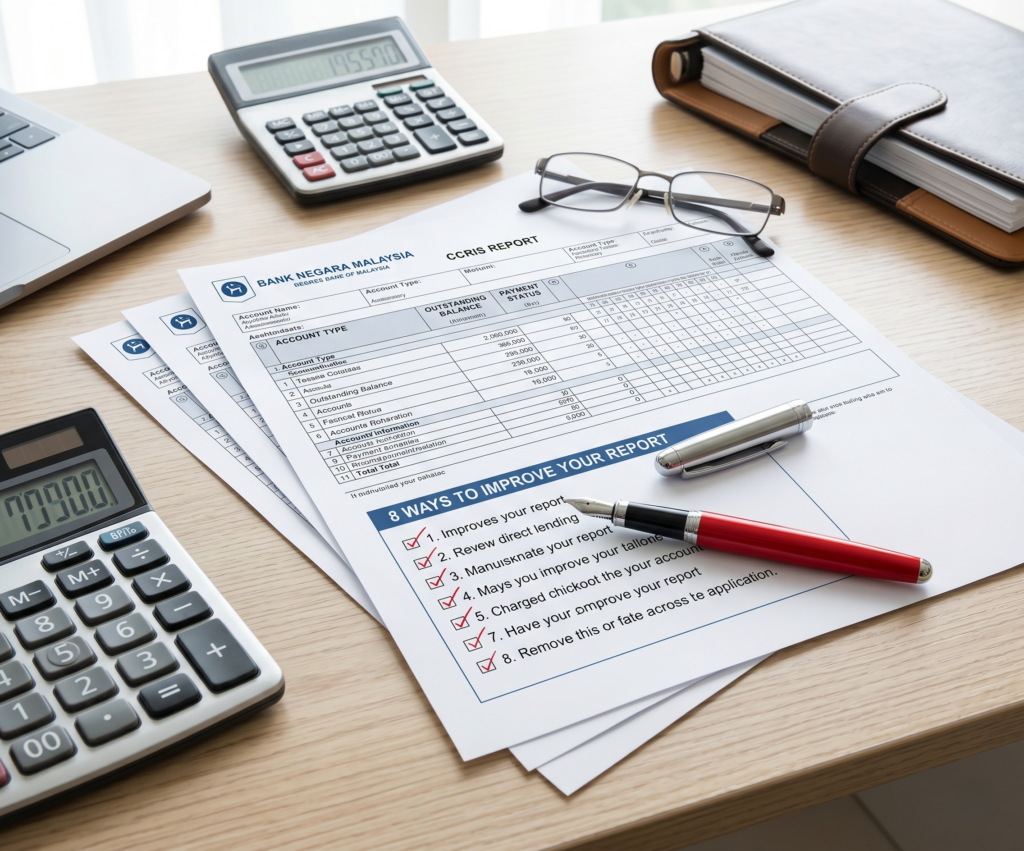
Many people worry about having a “blacklist” record on their credit report, but it is important to understand that neither CCRIS (Central Credit Reference Information System) nor CTOS actually blacklists individuals. Instead, these institutions provide your credit history to banks and financial institutions so they can evaluate your creditworthiness. While a negative record can lead to a loan rejection, your report is never stagnant and can be improved with the right strategies.
What Counts as a Negative Record?
While the word “blacklist” won’t appear in your report, lenders may view your status negatively if it contains any of the following:
Overdue Payments
Any existing loans that have been overdue for three months or more.
Special Attention Account (SAA)
This indicates debt that has been written off by a bank and is now under special supervision.
Legal Action
Instances where a bank has initiated legal proceedings or an individual has been declared bankrupt due to non-payment.
How to Check Your Credit Status
Before applying for a new loan, you should verify your actual financial status to avoid unexpected rejections.
Checking Your CTOS Report
You can download the CTOS app or visit their official website. After registering and verifying your identity with your IC and a selfie, you can view a full report detailing your debt status, bankruptcy status, summons amounts, or any legal offenses.
Checking Your CCRIS Report
Visit the official eCCRIS portal at https://eccris.bnm.gov.my. This service is free and allows you to monitor your loan reports from various financial institutions. You can also access these records via kiosks at BNMLINK or AKPK branches.
8 Simple Ways to Improve Your Credit Record
If your score isn’t where you want it to be, follow these steps to rebuild your credit profile:
1. Consolidate and Automate Your Payments
Review your current commitments and consider debt consolidation, which combines personal loans, credit cards, and car loans into a single new account. This simplifies your tracking and ensures you only need to focus on one installment. To avoid late payments, set up auto-debit or standing instructions scheduled immediately after your salary date.
2. Prioritize Overdue Loan Amounts
Adopt a frugal mindset by temporarily cutting back on non-essential spending like eating out or buying new gadgets. Channel these savings directly into settling your overdue loans. Additionally, use any work bonuses or special incentives to reduce your debt before spending on lifestyle items.
3. Generate Extra Income
Use the internet to find side income opportunities. You can freelance as a writer, designer, or bookkeeper on platforms like Fiverr or Upwork, often earning in US dollars. Alternatively, you can drive for Grab on weekends or sell pre-loved items like clothes and furniture on Carousell or Mudah to generate quick cash while clearing out your living space.
4. Refinance High-Interest Credit Card Debt
Credit card debt often carries high interest rates of 15-18% per annum. For a RM10,000 debt, you might pay RM500 monthly. By taking a low-interest personal loan—such as one from Co-op Bank Pertama with a rate of approximately 2.95%—you could reduce that monthly commitment to about RM100, allowing you to use the extra cash to settle other overdue accounts.
5. Utilize Koperasi Loans (For Civil Servants)
Civil servants can apply for koperasi loans to “overlap” or settle outstanding debts. These loans are often more lenient because repayments are made through direct salary deductions. Successfully using a koperasi loan can help remove “blacklist” debt from your CCRIS record.
6. Opt for Fast, Small Online Loans
If you work in the private sector and have a small overdue amount causing a loan rejection, consider a safe online personal loan with a short tenure. This is ideal for quickly clearing minor debts that negatively impact your bank applications.
7. Reschedule Your Repayment Plan
If your current salary cannot sustain your repayments, speak with your bank about rescheduling. While they are not required to agree, showing a commitment to pay can often lead to an alternative schedule that prevents the bank from taking lengthy legal action.
8. Maintain Consistent Financial Discipline
The most effective way to protect your score is to only borrow what you truly need and can afford. Check your CCRIS report regularly to ensure all loan statuses are up to date; if you find errors, contact the respective bank immediately to have the information corrected.
Timelines for Record Updates and Clearance
Understanding how long it takes for records to be cleared can help you plan your future applications:
CCRIS Update Cycle
Bank Negara Malaysia updates CCRIS information on the 10th of every month. For example, if you pay off a debt on June 26th, your record will show a “0” status (indicating no overdue) after the 11th of the following month. Note that CCRIS maintains a 12-month rolling history of your payments.
CTOS Record Removal
- Utility/Telco Bills: Removed once payment is made and the agency updates the record.
- Court Cases: Remain until the case is settled or withdrawn.
- Bankruptcy: Remains in the system until an official discharge order is issued, which usually takes 5 years or more. Even after discharge, the status may be visible for a few years as a reference for lenders.
